
 Image 1 of 2
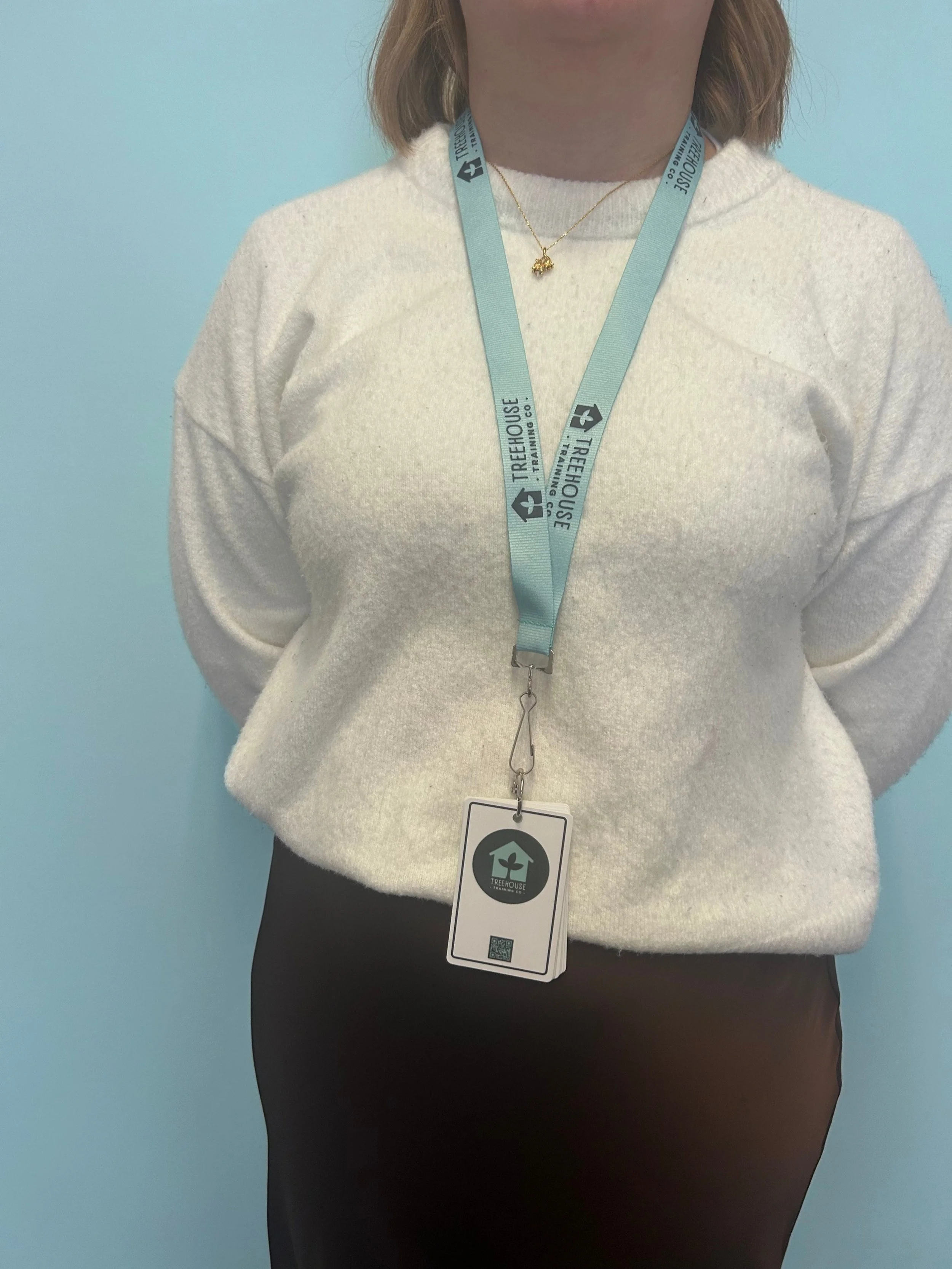 Image 2 of 2
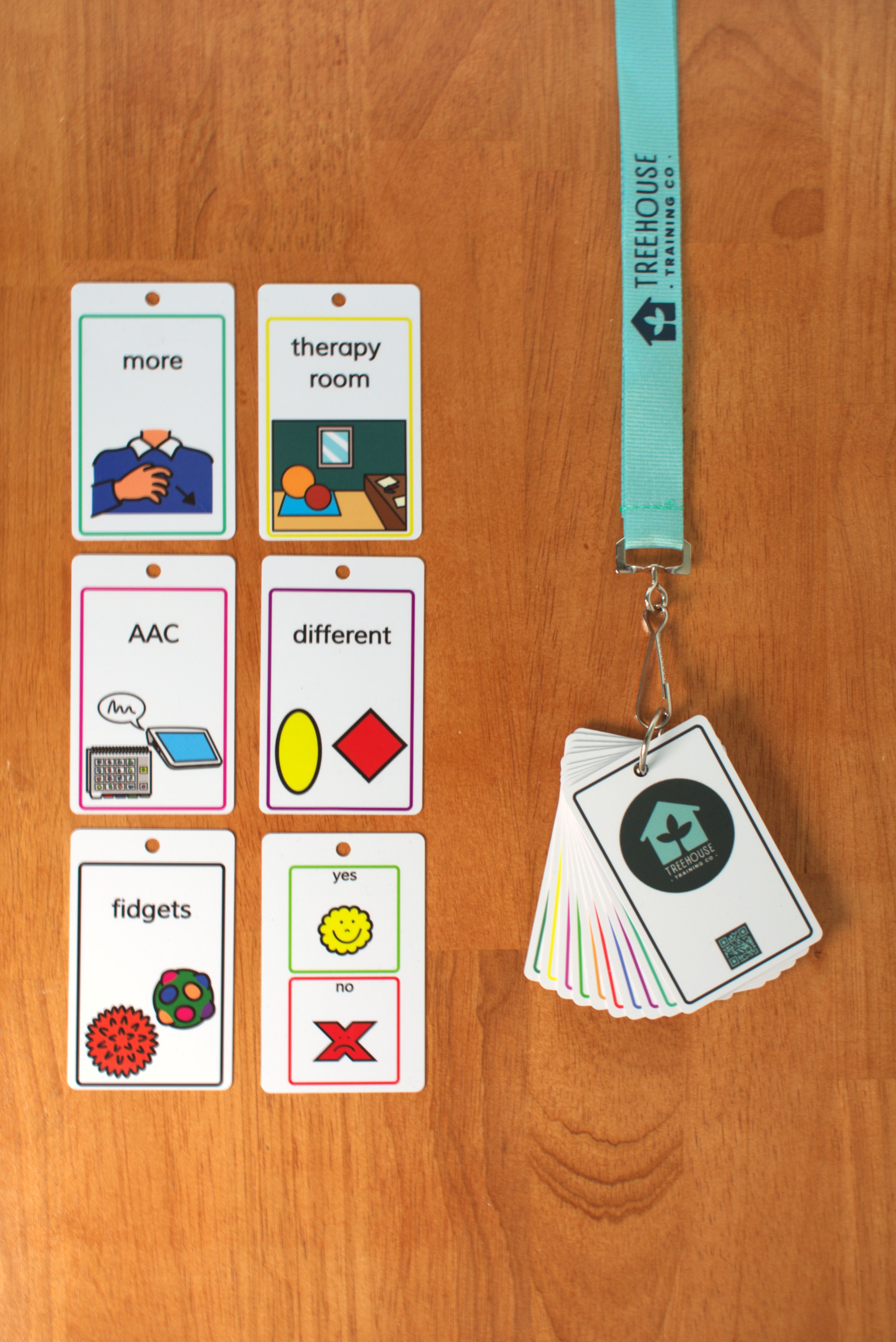
The Therapy Lanyard Visuals are designed for allied health professionals working with non-speaking and minimally speaking clients across clinical, home, and community settings. This set ensures that therapists always have access to core vocabulary symbols to model communication and aid understanding in real time. Built on a neuroaffirming approach, these visuals prioritise connection, responsiveness, and shared understanding rather than compliance-based interaction.
What’s Included:
10 x double-sided PVC cards (88mm x 54mm)
Core vocabulary for therapy contexts
Coloured borders to quickly locate words
Keyring and lanyard
Waterproof
How to Use:
Wear the cards on a lanyard during therapy sessions so they are always visible and accessible. Use them to model language consistently throughout sessions by pointing to visuals as you speak, supporting comprehension and participation. Use the cards to support shared interaction, reduce verbal overload, and provide clear, calm communication during moments of regulation, learning, or transition between tasks. They are intended to complement a client’s own communication system, reinforcing that all communication modes are valid and valued. Cards included: more, finish, different, choose, help, stop, wait, go, walk, sit, therapy room, toilet, AAC, schedule, food, drink, fidgets and take a break.
The Therapy Lanyard Visuals are designed for allied health professionals working with non-speaking and minimally speaking clients across clinical, home, and community settings. This set ensures that therapists always have access to core vocabulary symbols to model communication and aid understanding in real time. Built on a neuroaffirming approach, these visuals prioritise connection, responsiveness, and shared understanding rather than compliance-based interaction.
What’s Included:
10 x double-sided PVC cards (88mm x 54mm)
Core vocabulary for therapy contexts
Coloured borders to quickly locate words
Keyring and lanyard
Waterproof
How to Use:
Wear the cards on a lanyard during therapy sessions so they are always visible and accessible. Use them to model language consistently throughout sessions by pointing to visuals as you speak, supporting comprehension and participation. Use the cards to support shared interaction, reduce verbal overload, and provide clear, calm communication during moments of regulation, learning, or transition between tasks. They are intended to complement a client’s own communication system, reinforcing that all communication modes are valid and valued. Cards included: more, finish, different, choose, help, stop, wait, go, walk, sit, therapy room, toilet, AAC, schedule, food, drink, fidgets and take a break.